Felix Braun · 9 October 2026
Exploring Annotation Layers in Distributed Project Documentation Systems for Tech Startups
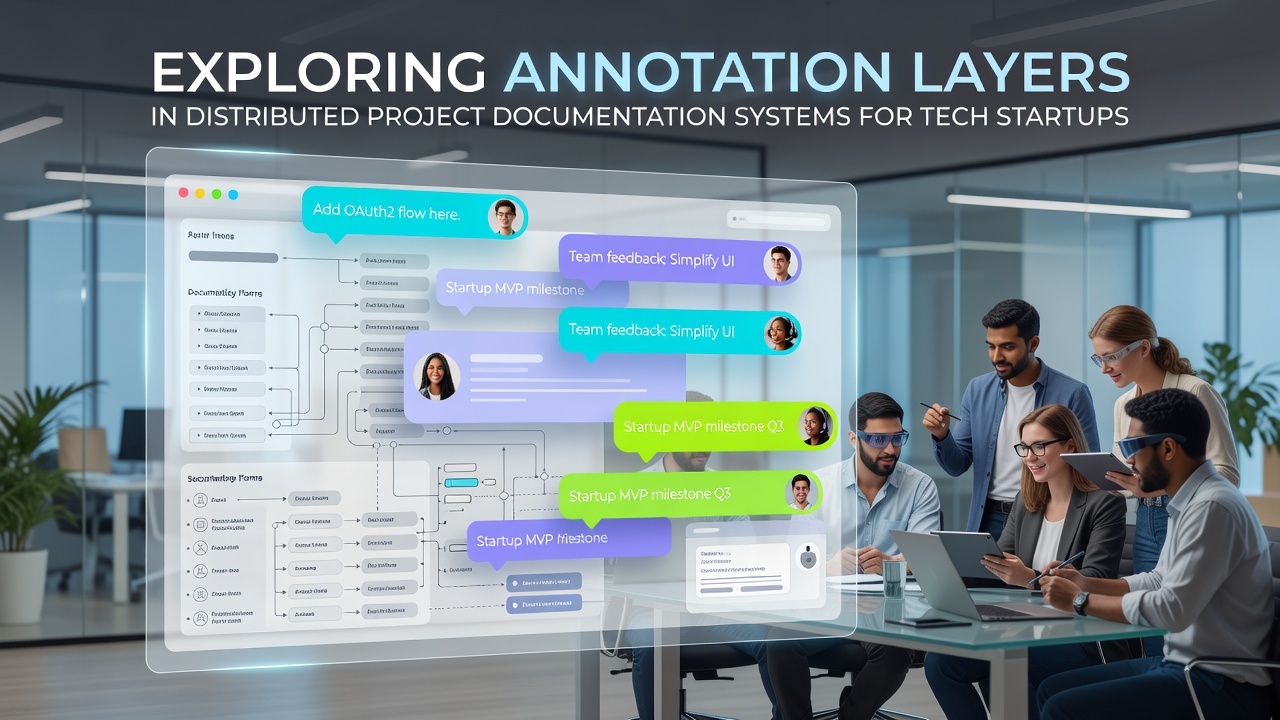
Annotation layers function as separate data structures that attach metadata, comments, highlights, and version notes to core project documents without altering the original files; in distributed environments these layers synchronize across nodes using protocols that track changes through timestamps and user identifiers. Tech startups often deploy such systems to maintain clarity during rapid iteration cycles, where teams spread across locations contribute simultaneously to code repositories, design specs, and compliance records.
Core Components of Annotation Layers
Each annotation layer consists of a schema that defines fields for content type, position coordinates within a document, author credentials, and linkage pointers to external data sources, while distributed project documentation systems replicate these layers using consensus mechanisms similar to those in version control platforms. Observers note that startups integrate these components with tools like object storage services and graph databases to handle concurrent edits from multiple contributors.
Studies from research institutions reveal that annotation layers separate user-generated content from base files through unique identifiers, allowing rollback operations and audit trails that remain intact even when underlying documents undergo structural revisions. This separation proves useful in environments where regulatory requirements demand preservation of decision histories alongside evolving project artifacts.
Implementation Patterns in Startup Environments
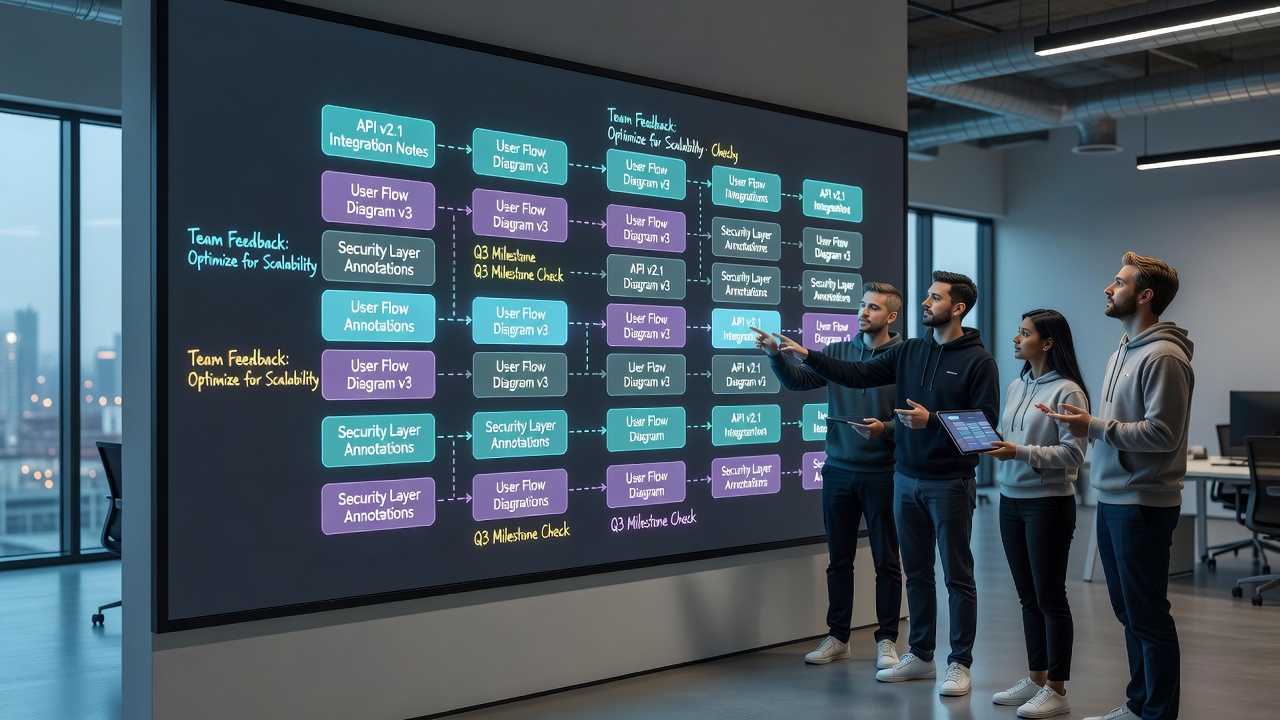
Startups configure annotation layers atop distributed file systems by establishing synchronization endpoints that propagate updates through event-driven architectures, ensuring that comments attached to a shared architecture diagram appear consistently for remote engineers working in different time zones. Data from industry reports indicates adoption of containerized microservices to manage layer queries independently from document rendering processes.
One documented approach involves mapping annotations to vector embeddings that facilitate semantic search across project histories, enabling developers to locate related discussions without scanning entire repositories manually. In October 2026 several distributed systems conferences presented findings on optimized indexing techniques that reduced query latency for annotation retrieval in clusters exceeding one hundred nodes.
Integration with Existing Collaboration Platforms
Many startups connect annotation layers to platforms such as shared code repositories and cloud-based wikis through APIs that expose layer data as structured JSON objects, while maintaining compatibility with authentication frameworks that enforce role-based access. Researchers at academic centers have documented cases where startups extended open-source libraries to support custom annotation schemas tailored to hardware specification reviews.
According to findings published by the National Institute of Standards and Technology, distributed documentation systems benefit from standardized metadata formats that allow annotation layers to interoperate across heterogeneous storage backends without requiring full system migrations. This standardization supports compliance workflows where audit logs must reference specific comments attached during design phases.
Scalability Considerations and Performance Metrics
Performance evaluations show that annotation layers scale through sharding strategies that partition data by project module or geographic region, reducing contention during peak collaboration periods common in early-stage companies. Figures from European digital innovation studies indicate average synchronization times under two seconds for layers containing up to ten thousand individual annotations across five continents.
Startups monitor these systems using distributed tracing tools that capture latency introduced by layer replication, allowing engineers to adjust consistency models based on whether immediate visibility or eventual convergence better suits their workflow. Those who have studied production deployments observe that selective replication of high-priority annotation layers improves overall throughput when bandwidth fluctuates.
Security and Access Control Mechanisms
Access policies for annotation layers rely on cryptographic signing of each entry combined with attribute-based encryption that grants visibility according to team membership or document sensitivity levels. Reports from Canadian research networks on collaborative technologies highlight implementations where startups layered additional verification steps to prevent unauthorized injection of comments into sensitive financial projections.
Encryption at rest and in transit protects annotation content while still permitting indexed searches over encrypted fields through specialized schemes developed in academic cryptography groups. Observers note continued refinement of these techniques as startups expand their documentation footprints internationally.
Conclusion
Annotation layers within distributed project documentation systems provide structured mechanisms for capturing contextual information alongside core files, supporting collaboration patterns observed across growing tech startups. Integration approaches documented in technical literature emphasize modularity and interoperability that align with evolving infrastructure needs. As adoption continues, performance data and standardization efforts from multiple regions inform practical deployment choices for organizations managing complex, multi-contributor projects.